Tuesday, April 16, 2013

Hardwood Flooring Grades Explained [INFOGRAPHIC]

"Just what are hardwood flooring grades, anyway?"

It's a question we hear a lot at Fantastic Floor, and the answer surprises a lot of people who hear it. Most people assume hardwood grades refer to the quality of the wood in question, but that isn't the case. Instead, hardwood flooring grades refer to the overall color variation in the wood. The higher the grade, the more consistent the color. No one grade is better than another; the "best" grade for you is the one that you like the most.

At Fantastic Floor, our boards come in one of six varieties. Here is a great graphic showing examples of the various kinds of grades and explaining the differences between them. Enjoy!

hardwood flooring grades explained

Monday, April 8, 2013

The Best Rustic Hardwood Flooring Options

Rustic hardwood flooring has been a rising trend in interior design for years, and for good reason. The slight imperfections common in distressed and rustic hardwood flooring add character, beauty, and a specific history to your floors. Rustic floors are also surprisingly complementary, both matching a similarly rustic design scheme or giving a striking counterbalance to a more modern room decor. At Fantastic Floor, we have a huge collection of rustic hardwood flooring products in a wide variety of styles, colors, and species of wood. Here are five of our favorites:


Distressed acacia flooring features a beautiful assortment of colors, from dark brown heartwood to vibrant orange and yellow accents. The wood is streaked with an exotic grain pattern that seems to swim through the boards, giving the floors an almost fluid feel.


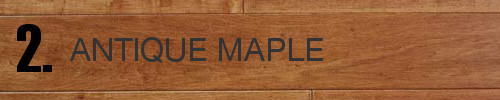
A more subtle rustic flooring choice, antique maple hardwood features bright yellow-brown heartwood that is occasionally tinged with reddish-brown accents. It has a very subdued grain pattern and a fine, uniform texture, making it a great complement to pretty much and room design scheme.


Dark, rich, and mysterious, Apache walnut hardwood flooring adds a stylish, dramatic flair to any room. The chocolate brown heartwood is offset by an even darker grain pattern that whirls and flows gracefully across the boards.


Smoked white oak is a rustic spin on the traditional white oak flooring that has been popular in America for centuries. A bit darker than its traditional counterpart, smoked white oak still features light tones and a crisp, tight grain pattern.


Distressed hickory hardwood embraces all the different shades and grain patterns featured in traditional hickory and proudly puts them front and center. The varying shades of brown in hickory make it a visually-striking flooring option that can still be paired with a wide variety of interior design schemes.

Visit the Fantastic Floor website to view our entire Rustic Hardwood Flooring Collection. What is your favorite variety? Leave us a comment and let us know!

Thursday, April 4, 2013

Fantastic Floor Presents: Morado

Welcome back to Fantastic Floor Presents, the best hardwood spotlight series on the web! Last month we took a look at African Cedar, one of our lesser-known hardwood varieties. This month we're featuring a South American beauty that has a wide variety of applications: Morado!

Morado hardwood flooring, also known as Brazilian Rosewood, is known first and foremost for its beauty. Its dark violet heartwood is often streaked with striking ribbons of rich chocolate browns and creamy tans. It has an interlocked grain that is sometimes wavy, sometimes straight, and a texture that ranges anywhere from very fine to quite coarse. It is so beautiful, in fact, that it used for many decorative applications, such as veneers, cabinets, and specialty items such as guitars:


bowls:


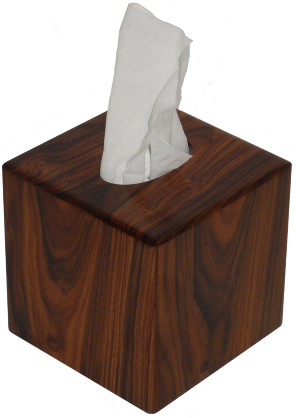
and tissue boxes, apparently:


But Morado hardwood isn't just about beauty. It's also quite tough. It boasts a Janka hardness rating of 2,400 lbs., making it similar in hardness to Para Rosewood, Brazilian Cherry, and Santos Mahogany. The wood is of  medium density - about 880 KG/m3 - which is denser than almost all of the Fantastic Floor domestic hardwoods and a few other exotics as well.


Want to learn more about this sexy South American hardwood? Visit the Morado Hardwood Flooring page on the Fantastic Floor website or give us a call at 1-888-448-9663. We can't wait to help you pick the perfect floor!


Monday, April 1, 2013

Millions and Millions

I almost missed the NY land records on Family Search. I've looked at the NY listings there so many times over the few years, I can't believe I just discovered these records just a few days ago. I guess I wasn't quite ready to look at deeds. I know part of it is that Family Search hasn't indexed them yet, so seeing "Browse through 8,129,310 images" seemed daunting. However, as I discovered, when you know the county and you click through, you can see they've imaged old index books. Still, more work than a search engine, but the results are already exciting enough to energize me.

Here's part of a deed with my 4x great-grandparents, David and Phebe Snow as the sellers:


I've found David Snow indexed several more times so far. I think it's going to narrow down the time period when I search for his probate record. And I've found a lot of Murrays indexed, so maybe I'll finally find the link back to Connecticut I've been looking for.

But first, I have to create a spreadsheet that will help me keep track of this research. Now that I've found these records, I don't want to get so excited that I ignore a proper researching process. Because I don't want to have to do this twice!

Friday, March 29, 2013

How Should I Clean My Prefinished Hardwood Floors?

Afzelia Prefinished Hardwood Flooring
A lot of homeowners with newly-installed hardwood floors have the same question: How can I clean my new prefinished hardwood flooring without damaging the wood or the finish? Well, luckily for homeowners, cleaning prefinished hardwood floors is a lot easier than some people imagine it to be. The following are three simples steps you can take to make sure your new prefinished floors look great for years to come.

Vacuum/Sweep
This is the easiest and most commonly overlooked way to keep your prefinished floors looking great. Dirt, dust, and debris can build up on hardwood flooring and leave unsightly scratches and scrapes. Sweeping or vacuuming on a regular basis may be a pain, but it's the best way to protect your new floor's finish. Sidenote: If you're going to vacuum, make sure your vacuum has rubber wheels, otherwise it might cause more scratches than it prevents.

Clean Spills Immediately
Standing water (or any other liquid, really) is one of the biggest threats prefinished hardwood flooring can face. If not properly dealt with, a spill can seep through the floor's finish, damaging it and discoloring the wood. Making sure you clean up spills as soon as they happen will help preserve your floors' finish and avoid stains and discolorations.

Use Appropriate Cleaner
Sometimes sweeping just won't cut it. We get that. If you must mop or scrub, make sure you use an appropriate cleaner. We like DuraSeal's Hardwood Floor Cleaner - it was specifically made for use on prefinished floors, including floors with polyurethane and waterbased finishes. Using such a cleaner on occasion can help get rid of dirt, grime, and other times of built up without leaving a cloudy soap residue. Make sure to check with your hardwood manufacturer before using, though - they may have product suggestions of their own.

Here's a great video demonstrating some of the ways you can keep your floors clean and looking like new:
 

Do you have problems keeping your prefinished hardwood floors looking like new? Leave us a comment and tell us your story!

Tuesday, March 19, 2013

The Top 5 Reasons People Love Prefinished Hardwood Flooring

Prefinished flooring is one of the most popular types of hardwood flooring products in the country today, and for good reason. Or should we say reasons? The following are the top five reasons people can't seem to get enough of prefinished hardwood flooring. Enjoy!

1. It's easier to install.
Unlike unfinished flooring, prefinished hardwood flooring is a breeze to install. It is sanded and finished by the manufacturer, so all the contractor needs to do is nail or glue it down. Done and done! This quick turn-around can save you a lot of money on installation costs, as well as save you from having an installation team in your home for days on end.

2. There's no waiting period.
Unfinished flooring not only requires on-site sanding and finishing, it also requires you to wait for the new finish to dry. (And don't even get us started on the smell!) With prefinished hardwood, the floor is ready to be walked on as soon as it is installed, which in many cases is only a single day.

3. The finish is more durable.
The prefinished hardwood flooring from Fantastic Floor is usually treated with up to 8 coats of an aluminum oxide finish. This durable, long-lasting finishing technique means your floors will be able to stand up to day-to-day traffic for longer than boards treated with just a few coats of finish.

4. The finish is more consistent.
Because of the streamlined way it is produced, manufacturer-finished hardwood is often much more consistent in appearance than on-site finished floors. This isn't necessarily true for the color or grain pattern of the wood, mind you - that is based on the grade of the material - but it is true for the finish. When you hire a contractor to finish your floors on-site you run the risk of ending up with an uneven finish job, especially if there's more than one contractor working on the project.

5. It comes with a 25-year warranty. 
All the solid prefinished flooring available at Fantastic Floor is guaranteed with a 25-year finish warranty. This means that when you purchase prefinished flooring from us and install it according to our installation and maintenance standards, we guarantee that the finish will not wear through or separate from the wood for a full 25 years. We also guarantee that the finish will be free of manufacturing defects and flaws in the application of the polyurethane aluminum oxide finish. Visit the Prefinished Hardwood Flooring Warranty page on incrediblewow.com for more information.

What are your top reasons for loving prefinished hardwood flooring? Leave us a comment and let us know. We'd love to hear from you!

Thursday, March 14, 2013

Moisture Barriers: What They Are and Why You Need Them

If you're planning on having new hardwood flooring installed and you've done your homework, you probably know that most installation jobs require some sort of moisture barrier between the new boards and the existing subfloor. But what are moisture barriers, exactly? And why are they so important? Good questions. Check out the info below to find out all you need to know about moisture barriers!

What are moisture barriers?
Moisture barriers, also called vapor barriers or vapor retarders, are layers of material that help prevent moisture-related problems in your floors by protecting the wood from ground moisture and condensation. They also help reduce the amount of noise floors make and prevent damaging wood-on-wood contact.

Why do I need moisture barriers?
Ground moisture and condensation are a few of the biggest threats to hardwood floors. Dramatic changes in humidity and ground moisture can cause wood boards to shrink and expand more than they should, which can lead to gapping, warping, and buckling. Moisture barriers help prevent the wood from absorbing excess moisture, preserving their stability and helping reduce the amounts of moisture-related problems.

What kind of moisture barriers are out there?
There are three main types of moisture barriers: impermeable, semi-permeable, and permeable. These different levels of permeability allow you to install wood floors over different types of subfloors. Wood subfloors, for instance, do better with an impermeable barrier with a permeability rating greater than 0.7; anything less can cause moisture to be trapped below or on the subfloor. Concrete subfloors, on the other hand, require a very high level of impermeability; usually .15 perms or lower. This allows for little to no moisture movement.

Does the installation method change the type of moisture barrier I'll need?
Yes, insomuch as different installation methods are required for different types of subfloors. Moisture barriers offer protection in one of three ways:
The first kind of protection is for nail down install jobs. This involves placing a layer of 6 mil poly sheeting plastic over the dirt in the crawl spaces beneath the subfloor, then placing a 15-pound felt paper between the subfloor and the hardwood.
The second kind of protection is for glue down installations and usually requires using a trowel-applied moisture barrier (such as Bostik) since plastic barriers can prevent the glue on the floors from sticking to the subfloor.
The third kind of protection is for floating floor installations and also involves a 6 mil poly sheeting plastic barrier under the boards. Unlike nail down installations, however, plastic barriers shouldn't be used if the floating floors are covering wood subfloors as they prevent the subfloor from breathing.

What if the floor is above grade? Do I still need a moisture barrier?
Yes. For above grade floors, a 15-pound felt paper works wonders. This moisture barrier should be laid between the hardwood and the wood subfloor; this is the best way to reduce the amount of moisture that can get to the new flooring.

Confused? Don't worry. It's not your job to understand all the technicalities of moisture barriers and hardwood flooring installation. However, knowing the basics about this important flooring component can help you better understand the installation process in general and allow you to make sure your flooring installer is doing the job right. Visit incrediblewow.com to learn more about moisture barriers and solid hardwood flooring installation, or give us a call at 1-888-448-9663.